
Products Details
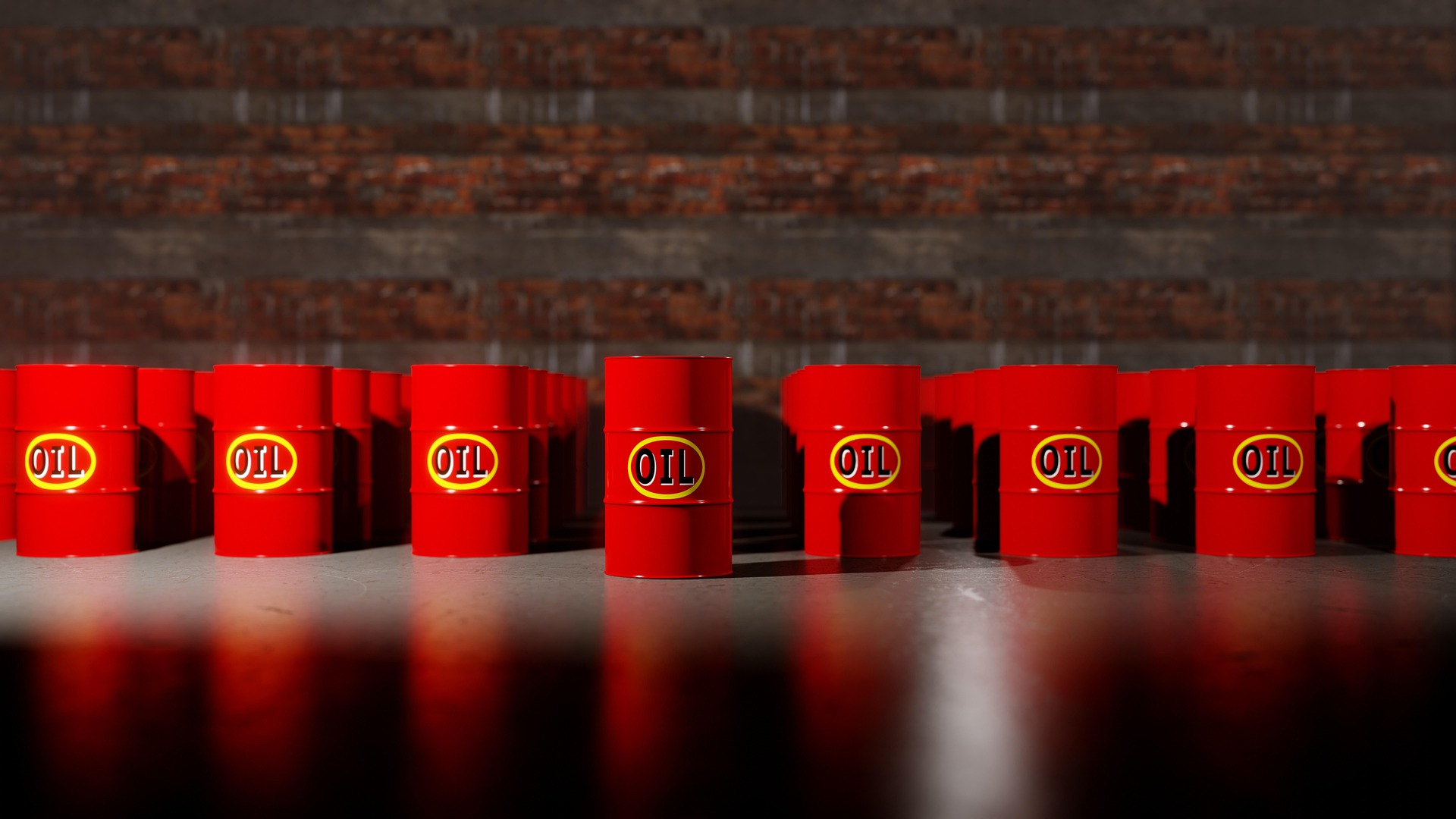
Light Crude Oil
Light crude oil is a low-density, free-flowing petroleum widely preferred in global markets due to its high refining efficiency. Its higher yield of gasoline and diesel makes it a premium choice for refineries and trading operations.
Product Description
Light crude oil is characterized by its low density, low viscosity, and high API gravity, allowing it to flow easily at room temperature. Its composition contains a higher proportion of light hydrocarbon fractions, resulting in superior refining output, especially for gasoline, diesel, and other high-value fuels.
Compared to heavier crude grades, light crude typically contains lower wax content and delivers better conversion efficiency in standard refinery configurations. This makes it more commercially attractive and widely traded across global energy markets.
In addition to light crude, the crude oil spectrum also includes medium and heavy grades, each suited for specific refining capabilities and end-use applications.
Key Features
High API Gravity Advantage
Higher API gravity enables efficient refining with increased output of gasoline, diesel, and other light distillates.
Superior Flow Characteristics
Low viscosity and density allow easy transportation, handling, and processing across standard infrastructure.
Optimized Refining Yield
Produces a higher percentage of high-value fuels, improving refinery margins and operational efficiency.
Strong Market Preference
Commands premium pricing in global markets due to better processing efficiency and product yield.
Technical Requirements
Storage & Handling Guidelines
- Store in tightly sealed, approved containers or tanks
- Keep away from direct heat sources, sparks, and open flames
- Maintain storage in cool, well-ventilated environments
- Handle in accordance with petroleum safety and hazardous material guidelines
- Use appropriate protective equipment during handling and transfer
- Ensure compliance with local and international transport regulations
Typical Grade Specifications (Reference Range)
Maya (Heavy Crude)
- API Gravity: 21.0 – 22.0 °API
- Viscosity (100°F): 320 SSU
- Water & Sediment: 0.5%
- Sulfur Content: 3.4 – 3.8%
- Reid Vapor Pressure: 6.0 psi
- Pour Point: -25°F
Isthmus (Medium Crude)
- API Gravity: 32.0 – 33.0 °API
- Viscosity (100°F): 60 SSU
- Water & Sediment: 0.5%
- Sulfur Content: 1.8%
- Reid Vapor Pressure: 6.0 psi
- Pour Point: -35°F
Olmeca (Light Crude)
- API Gravity: 38.0 – 39.0 °API
- Viscosity (100°F): 38 SSU
- Water & Sediment: 0.5%
- Sulfur Content: 0.73 – 0.95%
- Reid Vapor Pressure: 6.2 psi
- Pour Point: -55°F
Altamira (Heavy Crude)
- API Gravity: 15.5 – 16.5 °API
- Viscosity (100°F): 1280 – 1750 SSU
- Water & Sediment: 1.0%
- Sulfur Content: 5.5 – 6.0%
- Reid Vapor Pressure: 3.0 psi
- Pour Point: 32°F
- Refining into gasoline, diesel, and jet fuel
- Petrochemical feedstock for plastics and chemicals
- Industrial fuel and energy production
- Blending with heavier crude grades for optimized processing
- Lubricant and specialty hydrocarbon production
- Higher yield of valuable light distillates improves refinery profitability
- Easier handling and transportation due to low viscosity
- Compatible with standard refining infrastructure
- Premium market positioning with strong global demand
- Flexible blending capability with medium and heavy crude grades
- Supports efficient and scalable refining operations